 Nurnberg Hub
Introduction
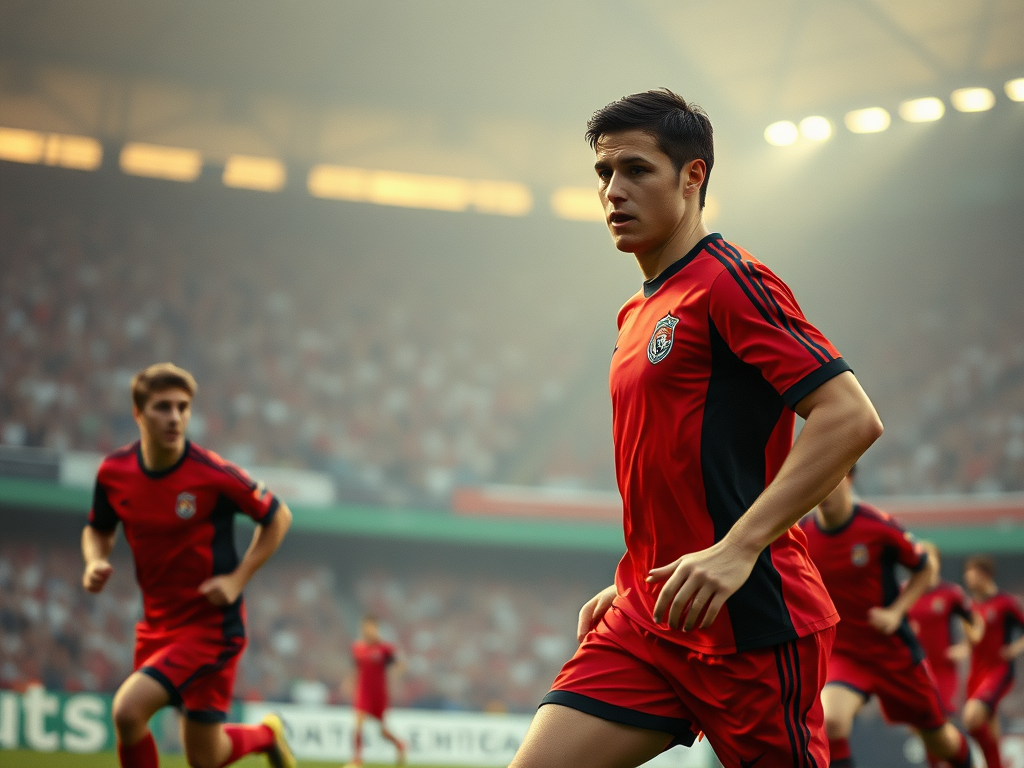
1. FC Nürnberg, affectionately known as Der Club, has had a mixed bag of performances lately in the Bundesliga. Despite flashes of brilliance, consistency has eluded the team, necessitating a tactical reevaluation to maximize their strengths and minimize vulnerabilities.
Current Tactical Setup
Nürnberg has predominantly utilized a 4-2-3-1 formation, which allows for a strong midfield presence and flexibility in attack. This setup has enabled the team to control possession and create opportunities through quick transitions. However, recent matches have highlighted a few tactical inefficiencies, particularly in defensive organization and clinical finishing.
Defensive Concerns
One of the glaring issues has been the lack of compactness in defense. Opposing teams have exploited spaces between the lines, especially during counter-attacks. A potential tweak could involve shifting to a more robust 4-4-2 formation, allowing for a double pivot in midfield. This would not only provide additional defensive cover but also facilitate quicker ball recovery. By employing two strikers up front, Nürnberg can press higher, forcing opponents into mistakes and regaining possession in advanced areas.
Midfield Dynamics
Another area ripe for adjustment is the midfield's role in transitioning from defense to attack. Currently, the midfielders have been caught between maintaining shape and joining the attack, leading to a lack of support for the forwards. Encouraging the central midfielders to take on more creative responsibilities can help unlock opposing defenses. The introduction of a more fluid rotation system, where one of the midfielders pushes forward while the other stays back, could create imbalance in the opponent's defensive setup, allowing Der Club to exploit gaps effectively.
Utilizing Width
Nürnberg’s wingers have shown promise, but their impact has been limited due to a lack of width in the attack. Encouraging them to stay wide and stretch the play could create more space for overlapping full-backs, which has been underutilized. This approach not only opens up crossing opportunities but also stretches the opponent’s defense, creating spaces for the attacking midfielder or striker to exploit. Additionally, instructing the wingers to cut inside occasionally can add unpredictability to the attack, forcing defenders to adapt.
Set-Piece Strategy
Another dimension where Nürnberg can gain an edge is in set-piece execution. Their current approach has been somewhat predictable, often relying on the same routine deliveries. A fresh strategy incorporating varied delivery angles and movements could catch opponents off guard. Training specifically on set-pieces, with an emphasis on creative runs and misdirection, could yield valuable goals, especially in tight matches where open play may not suffice.
Conclusion
While Nürnberg’s current system has its merits, small tactical tweaks can significantly enhance their performance. By solidifying their defensive structure, revitalizing midfield dynamics, utilizing width more effectively, and diversifying their set-piece strategies, Der Club can position themselves for a stronger finish in the league. The upcoming matches present the perfect opportunity to implement these adjustments and reclaim their momentum. With the right changes, the fans in the Stadium can look forward to a more cohesive and competitive team on the pitch.