 Nurnberg Hub
The 1980s Renaissance: Nürnberg's Bold Comeback in German Football
The 1980s were a transformative decade for 1. FC Nürnberg, a period marked not only by challenges but also by a bold resurgence that would set the stage for the club's modern identity. After a tumultuous end to the 1970s, which saw the club relegated to the second tier, Der Club embarked on a journey that would see it reclaim its position among Germany’s elite.
A New Era Begins
In 1980, following their relegation from the Bundesliga, Nürnberg faced the daunting task of rebuilding a squad that had suffered both in morale and capability. The club's management recognized the need for a fresh approach, leading to the appointment of coach Hans Meyer in 1980. His arrival marked a shift in tactics and philosophy, emphasizing discipline, teamwork, and a pragmatic style of play that suited the players at his disposal.
Meyer understood that success would require not only tactical acumen but also the ability to foster a strong sense of unity within the team. His leadership galvanized the squad, turning a group of individuals into a cohesive unit, ready to face the trials of the 2. Bundesliga.
Key Players and Tactical Innovations
During this period, several players emerged as pivotal figures in Nürnberg's ascent. Among them was goalkeeper Klaus Jürgen Wrede, whose performances were instrumental in keeping the team competitive. His ability to make crucial saves often turned the tide in tightly contested matches, earning him admiration from fans and opponents alike.
Midfielder Klaus Augenthaler also played a significant role in the team’s revival. Renowned for his tactical intelligence and versatility, Augenthaler became a key figure in both defense and attack, helping to orchestrate plays that led to vital goals. His partnership with forward Stefan Kuntz added a new dimension to Nürnberg’s attacking threat.
Meyer’s tactical innovations, including a more structured defensive approach combined with quick counter-attacks, allowed Nürnberg to exploit the weaknesses of their opponents. This strategy proved effective as they began to collect points consistently, leading to a strong campaign in the 1982/83 season, where they finished as runners-up in the 2. Bundesliga and secured promotion back to the Bundesliga.
A Return to the Top Flight
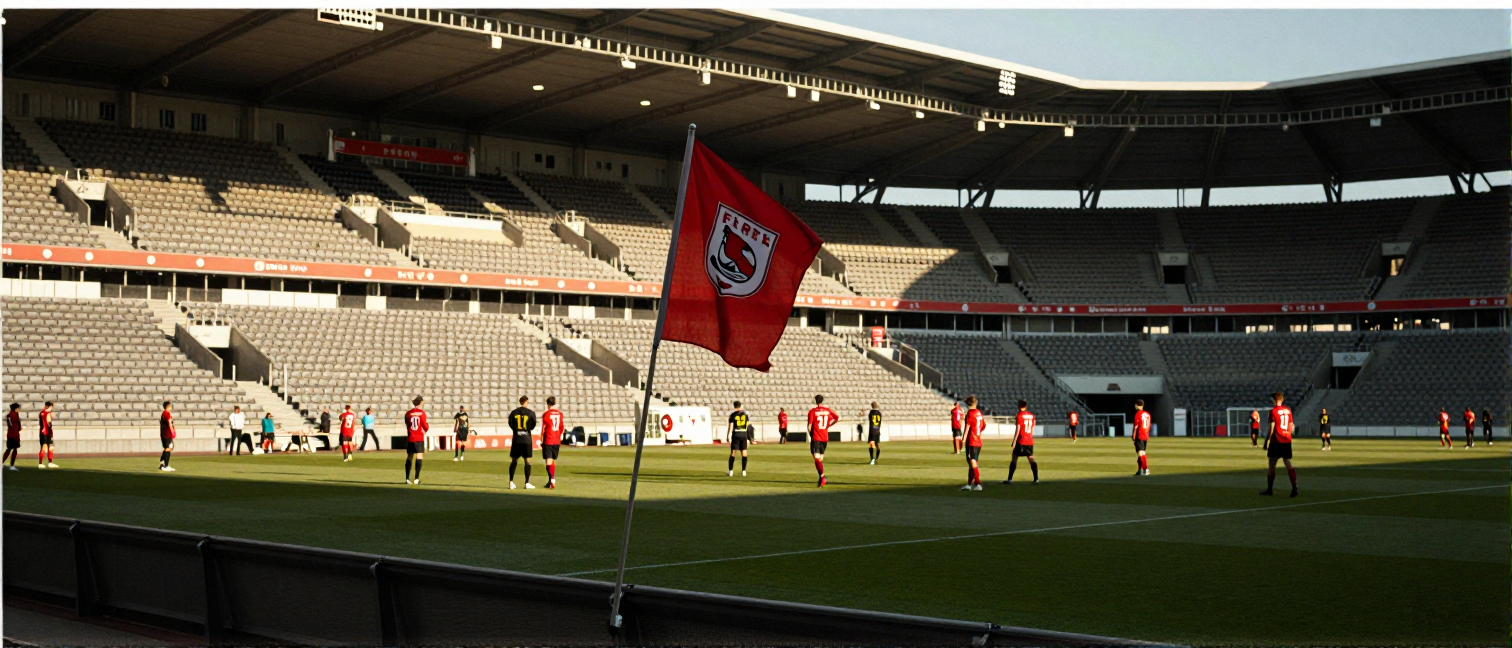
Nürnberg’s return to the Bundesliga in the 1983/84 season was celebrated by fans who had endured years of disappointment. The club finished the season in a respectable mid-table position, showcasing their resilience and determination to remain competitive. This period was characterized by thrilling matches at the Stadion, where the passionate supporters showed unwavering loyalty, creating an electric atmosphere that further inspired the players on the pitch.
The momentum continued into the mid-1980s, with Nürnberg establishing itself as a formidable side in the Bundesliga. Under Meyer’s guidance, the club not only survived in the top tier but also posed a significant challenge to other teams, earning respect throughout the league. Their performances during this timeframe demonstrated that Nürnberg was not just a historical club; it was a team that could compete at the highest level.
Conclusion: A Legacy of Resilience
The 1980s renaissance of 1. FC Nürnberg is a testament to the club’s resilience and the impact of strategic leadership. The combination of tactical innovations, a strong squad, and passionate support laid the foundation for the future of Der Club. As fans look back at this era, it serves as a reminder of the potential for greatness that exists within the heart of Nürnberg, a sentiment that continues to inspire the club today.