 Nurnberg Hub
Rethinking Defensive Stability: Tactical Adjustments for Nürnberg
As the season progresses, Nürnberg's recent form has highlighted a critical area of concern: defensive stability. While the attacking unit has shown creativity and intent, the backline has often faltered under pressure, leading to dropped points that could prove costly in the long run. In this tactical analysis, we will explore potential adjustments that could fortify Der Club's defense while maintaining their attacking momentum.
Analyzing Recent Defensive Weaknesses
In their last few matches, Nürnberg has frequently found themselves vulnerable to counter-attacks and set pieces. Central defenders have occasionally been caught out of position, and the communication between the backline and the midfield has sometimes broken down, creating gaps that opposing teams have exploited. Moreover, the team’s high defensive line, while effective in pressing, has left them susceptible to quick breaks, particularly against faster opponents.
To address these issues, it may be beneficial to adopt a more pragmatic approach to their defensive setup. A slight shift in formation, such as transitioning from a high line to a more compact block, could help reduce the risk of being caught out. This change would allow the defenders to maintain better positioning while providing additional cover for the midfielders, enhancing overall team cohesion.
Implementing Tactical Tweaks
1. Adjusting Defensive Line Height
One of the first adjustments could involve lowering the defensive line to retain better shape. By adopting a slightly deeper line, the defenders can stay closer to their goal, reducing the risk of being exploited by fast attackers. This tactical tweak would also allow the full-backs to engage in more effective wing-play without compromising the defensive structure. It’s crucial to maintain a balance; thus, the full-backs should be instructed to push forward selectively, ensuring they can recover quickly in case of a turnover.
2. Enhancing Midfield Support
To bolster the defense, the midfielders should be more involved in defensive duties. This can be achieved by instructing them to drop back during defensive phases, forming a compact unit that can disrupt opposing plays before they reach the defensive third. By utilizing a more disciplined midfield structure, Nürnberg can control the game better and limit the number of clear chances for the opposition.
3. Focusing on Set-Piece Organization
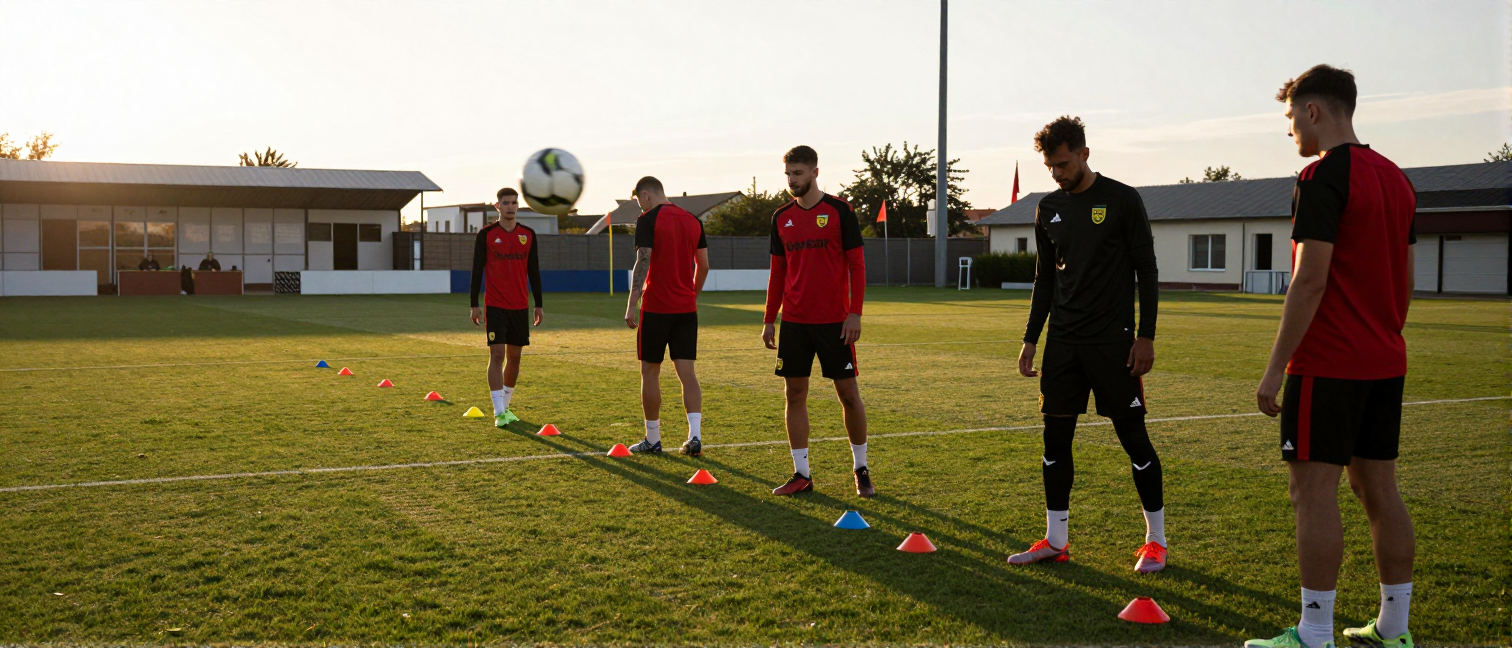
Another area of concern has been set-piece defending. In recent matches, lapses in concentration have led to goals conceded from corners and free-kicks. Establishing a clear set-piece strategy, including designated roles for each player, is vital. Training sessions should focus on improving communication and understanding among players during these critical moments, ensuring everyone knows their responsibilities when defending set pieces.
4. Encouraging a Collective Press
Finally, while refining their defensive approach, Nürnberg can benefit from a coordinated team press. Encouraging all players to engage in pressing as a unit can disrupt the opposition’s build-up play, forcing mistakes and regaining possession higher up the pitch. This approach not only helps in regaining control but also allows the team to exploit spaces left by opponents, transitioning quickly from defense to attack.
Conclusion
By implementing these tactical adjustments, Nürnberg can address their defensive weaknesses while maintaining the attacking flair that has characterized their recent performances. A more solid defensive foundation will not only lead to improved results but also instill confidence in the players as they navigate the challenges of the season. As Der Club gears up for crucial fixtures ahead, a concerted focus on defensive organization will be key to reclaiming their place in the league standings.